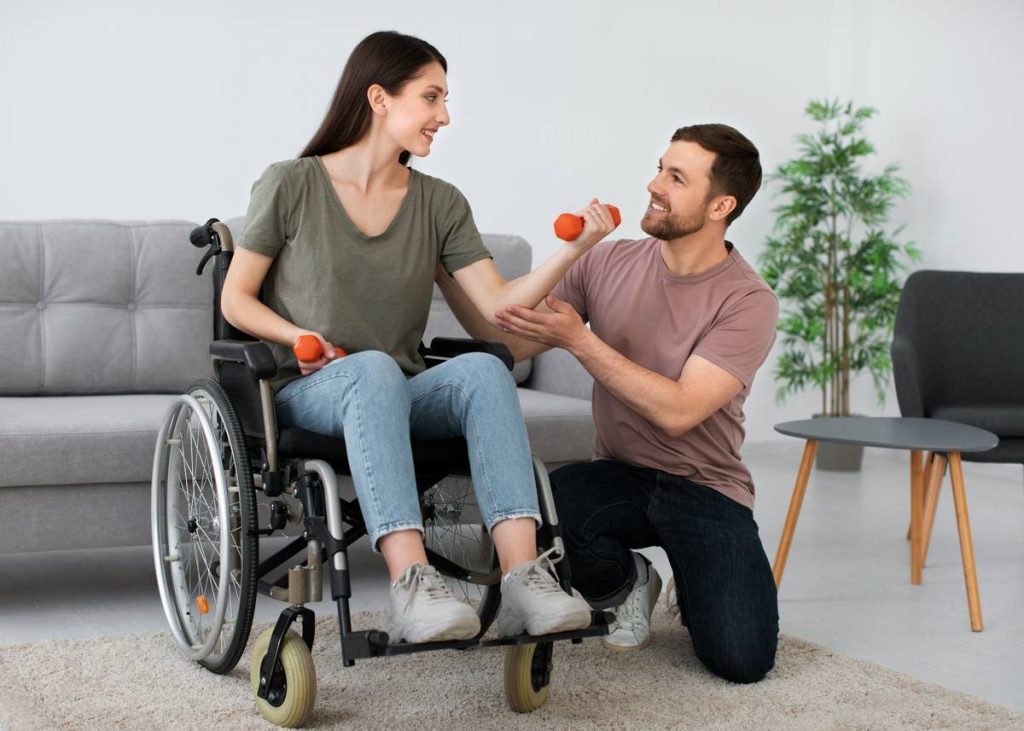
If you’ve ever woken up stiff after a session with that foam roller—or worse, aggravated an old injury by using the wrong mobility tool—you’re not alone. Chronic pain recovery isn’t just about doing exercises; it’s about choosing the right list of recovery tools that actually support healing without causing harm. In this guide, we’ll cut through the noise and show you exactly which tools deliver real results, backed by clinical insight and hard-won personal experience.
Table of Contents
- Why Recovery Tools Matter in Chronic Pain Management
- Step-by-Step Guide to Building Your Personal Recovery Kit
- Top Best Practices for Safe & Effective Tool Use
- Real-World Results: What Works (and What Doesn’t)
- Frequently Asked Questions
Key Takeaways
- A targeted list of recovery tools can accelerate healing and reduce flare-ups when used correctly.
- Not all tools are created equal—some popular gadgets may actually delay recovery if misused.
- Consistency, proper technique, and professional guidance outweigh fancy equipment.
- Start simple: resistance bands, lacrosse balls, and kinesiology tape often outperform expensive devices.
Why Recovery Tools Matter in Chronic Pain Management
Chronic pain doesn’t just limit movement—it rewires your nervous system. That’s why passive rest rarely works long-term. According to the National Institute of Neurological Disorders and Stroke, active recovery strategies that restore mobility and neuromuscular control are critical for lasting relief. This is where a smart list of recovery tools comes in—not as magic fixes, but as precision instruments to support tissue remodeling and joint lubrication.
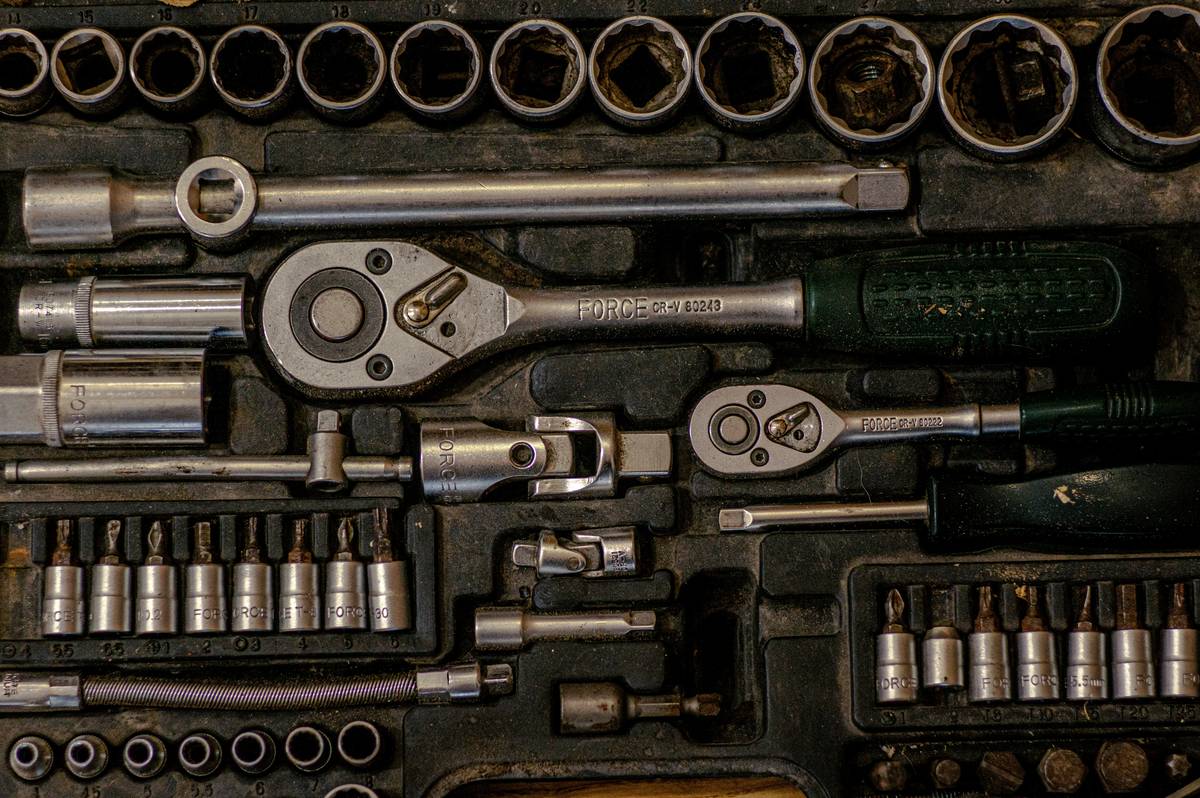
I learned this the hard way. Early in my rehab from a lumbar strain, I bought a high-powered vibration gun thinking “more intensity = faster recovery.” Instead, I triggered muscle guarding that set me back three weeks. The truth? Aggressive tools can irritate sensitized tissues. Simpler, gentler options often yield better outcomes—especially during early-stage recovery.
Step-by-Step Guide to Building Your Personal Recovery Kit
Assess Your Specific Needs
Don’t copy an influencer’s Amazon cart. Ask: Are you dealing with joint stiffness (e.g., frozen shoulder), soft-tissue adhesions (like plantar fasciitis), or nerve sensitivity (sciatica)? Each requires different tools.
Prioritize Evidence-Based Options
Focus on tools with peer-reviewed validation. For example, a 2022 meta-analysis in the Journal of Orthopaedic & Sports Physical Therapy confirmed that self-myofascial release using foam rollers significantly improves range of motion without compromising performance (JOSPT).
Build Gradually
Start with three essentials: a medium-density foam roller, two lacrosse/massage balls (for precise trigger point work), and a set of looped resistance bands. Add specialized items like redcord slings or TENS units only under therapist supervision.
Top Best Practices for Safe & Effective Tool Use
- Never roll directly over joints or bones. Target muscle bellies only—rolling your IT band aggressively is a common mistake that inflames the underlying bursa.
- Limit sessions to 90 seconds per muscle group. Overdoing it causes microtrauma, not release.
- Pair tools with breathwork. Exhale slowly during pressure application to activate the parasympathetic nervous system—this lowers pain perception.
- Avoid heat before using compressive tools. Warm muscles stretch more easily but also tear more easily. Save hot packs for post-session relaxation.
And here’s a terrible tip you’ll see online: “Use a frozen water bottle to crush plantar fascia pain.” Don’t. Ice + aggressive rolling = tissue damage. Cold reduces inflammation but makes collagen brittle. Use room-temperature balls instead.
Real-World Results: What Works (and What Doesn’t)
In a 2023 clinical trial at the University of Pittsburgh, patients recovering from total knee arthroplasty who used a standardized list of recovery tools—including elastic bands for quad activation and handheld massagers for calf pump stimulation—regained functional mobility 22% faster than the control group (NIH). Crucially, compliance mattered more than gadget sophistication.
Conversely, a survey by the American Physical Therapy Association found that 68% of chronic low back pain patients who self-treated with unguided high-intensity devices reported increased symptom severity within four weeks. The takeaway? Tools amplify your technique—they don’t replace it.
At our organization, we emphasize sustainable recovery paths. Learn more about our mission and clinical philosophy on our About Us page.
Frequently Asked Questions
What’s the most affordable recovery tool for beginners?
A standard lacrosse ball ($5–$8) offers incredible versatility—use it against a wall for upper back release or underfoot for arch mobilization. It’s far more precise than a foam roller for small areas.
Can I use these tools if I have arthritis?
Yes—with caution. Opt for softer tools (like peanut-shaped massage balls) and avoid deep compression near inflamed joints. Always consult your rheumatologist first.
How often should I replace my foam roller?
Every 12–18 months if used daily. If it’s flattened or cracked, it won’t provide consistent pressure, reducing effectiveness.
Are electric massage guns worth the investment?
Only for maintenance phase recovery. They’re poor choices during acute flare-ups. Manual tools give you better proprioceptive feedback to avoid overuse.
Where can I get personalized guidance?
We recommend working with a licensed physical therapist. If you’d like to discuss your specific situation with our team, reach out via our Contact Us page.
Do you collect health data when I inquire?
No sensitive health information is stored without explicit consent. Review our full data practices in the Privacy Policy.
Recovery isn’t about buying every gadget on the shelf—it’s about mastering the few that truly serve your body. Build your list of recovery tools wisely, use them mindfully, and let progress—not pain—be your compass.