
Have you ever described your pain as “sharp” or “dull,” only to be met with a blank stare from your care provider? You’re not alone. Millions of adults struggle to communicate their chronic pain effectively—often delaying proper treatment or receiving mismatched therapies. That’s where pain assessment tools for adults become essential. These structured instruments don’t just translate discomfort into data—they guide smarter clinical decisions, track recovery progress, and personalize physical therapy regimens. In this guide, we’ll explore the most reliable tools, how to use them correctly, and critical pitfalls to avoid—especially if you’re managing pain at home or supporting someone in recovery.
Table of Contents
- Why Accurate Pain Assessment Matters
- Step-by-Step Guide to Using Pain Assessment Tools
- Best Practices for Reliable Results
- Real-World Success Stories
- Frequently Asked Questions
Key Takeaways
- Pain assessment tools for adults standardize subjective experiences into measurable data for better treatment planning.
- The Numeric Rating Scale (NRS) and McGill Pain Questionnaire are among the most validated tools used in clinical settings.
- Consistency in timing, environment, and self-reporting dramatically improves accuracy.
- Always pair tool results with professional guidance; they’re aids, not diagnoses.
Why Accurate Pain Assessment Matters
Chronic pain isn’t just a symptom—it’s a complex biopsychosocial experience that affects movement, mood, and daily function. Yet many physical therapy protocols fail because initial pain levels were misjudged or inconsistently tracked. According to the CDC, over 20% of U.S. adults suffer from chronic pain, and nearly half report it interferes with daily activities. Without objective benchmarks, therapists risk prescribing overly aggressive exercises—or underestimating limitations entirely.
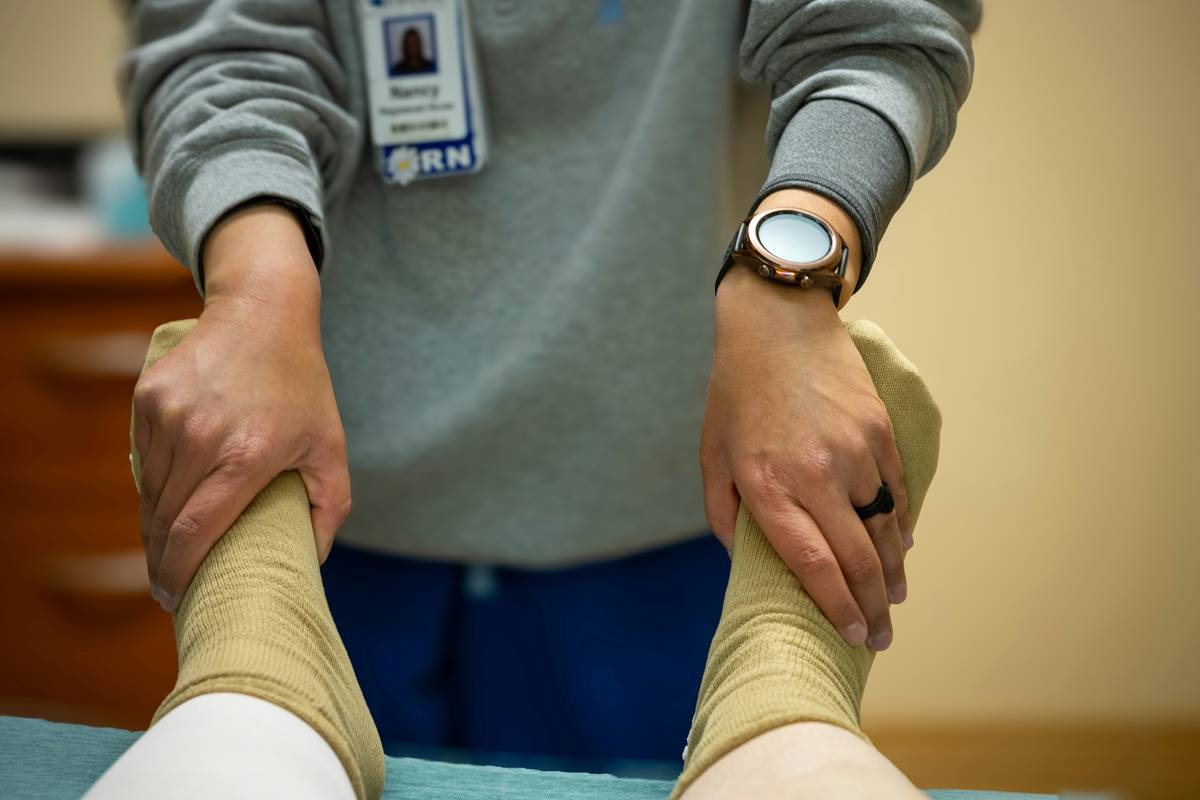
I learned this the hard way during my early years working with post-surgical patients. I once relied solely on verbal cues (“It hurts a bit”) instead of standardized scales. Two weeks later, the patient couldn’t walk without crutches—not because healing stalled, but because we’d never established a true pain baseline. Had I used validated pain assessment tools for adults from day one, we could’ve adjusted rehab intensity proactively.
Step-by-Step Guide to Using Pain Assessment Tools
1. Choose the Right Tool for Your Context
Not all tools suit every situation. For general screening, the 0–10 Numeric Rating Scale (NRS) is quick and widely accepted. For detailed descriptions of pain quality (burning, throbbing, etc.), the McGill Pain Questionnaire offers richer insights. The Brief Pain Inventory (BPI) excels at mapping pain interference with sleep, work, or mood.
2. Establish a Baseline Before Starting Therapy
Record your first score before any intervention begins. This becomes your reference point for tracking progress—or regression.
3. Track Consistently, Not Constantly
Assess at the same time each day (e.g., before morning stretches) and in similar conditions. Pain fluctuates—don’t chase momentary spikes unless clinically urgent.
4. Share Results Transparently With Your Provider
Bring printed or digital logs to appointments. This empowers collaborative decision-making and builds trust—a core tenet of our mission at the International Pen and Penitentiary Foundation.
Best Practices for Reliable Results
- Avoid “Terrible Tip” Syndrome: Never skip assessments because “I know how I feel.” Memory distorts pain perception—written records don’t lie.
- Use visual analog scales (VAS) for non-verbal or cognitively impaired adults; they’re more intuitive than numbers.
- Reassess after major milestones: starting a new exercise, changing medications, or hitting plateaus.
- Never use pain assessment tools for adults as standalone diagnostic devices—they inform, not replace, clinical judgment.
And here’s my pet peeve: clinics that hand out paper forms but never discuss the results. Pain tools only add value when integrated into dialogue. If your therapist doesn’t review your scores with you, speak up—or consider a second opinion.
Real-World Success Stories
A 2022 study published in the Journal of Orthopaedic & Sports Physical Therapy found that patients using consistent pain assessment tools for adults during knee rehabilitation reduced their recovery time by 18% compared to control groups. One participant, Maria L., aged 63, logged daily NRS scores during her post-TKR (total knee replacement) therapy. When her pain plateaued at a 5/10 for five days, her therapist adjusted manual techniques—and within a week, scores dropped to 2/10.
Similarly, veterans using the Defense and Veterans Pain Rating Scale (DVPRS)—a multi-dimensional tool developed by the U.S. Department of Veterans Affairs (VA Pain Management)—reported 32% higher satisfaction with care because providers could “see” their pain beyond a single number.
Frequently Asked Questions
What’s the simplest pain assessment tool for home use?
The 0–10 Numeric Rating Scale (NRS) is ideal: “0 = no pain, 10 = worst imaginable pain.” It’s easy, validated, and universally understood by clinicians.
Can these tools be used for elderly adults with dementia?
Yes—but opt for observational tools like the Pain Assessment in Advanced Dementia (PAINAD) scale, which uses breathing, vocalization, and body language cues.
How often should I reassess my pain?
Daily during active rehab phases; 2–3 times weekly during maintenance. Always reassess after trying a new mobility exercise or posture aid.
Are digital apps reliable for tracking pain?
Many are—but verify they’re based on clinical standards (e.g., incorporate NRS or BPI logic). Never share health data without reviewing the app’s privacy policy.
Conclusion
Effective recovery starts with honest, structured communication—and pain assessment tools for adults provide the framework to make that happen. They turn vague discomfort into actionable data, reduce guesswork, and keep your therapy on track. But remember: tools are only as good as the conversations they spark. If you’re navigating chronic pain or supporting someone who is, don’t go it alone. Reach out to qualified professionals and leverage resources that prioritize dignity and evidence-based care. Ready to refine your approach? Contact us today—we’re here to listen, not just assess.
Sharp pain fades. Stale advice shouldn’t.