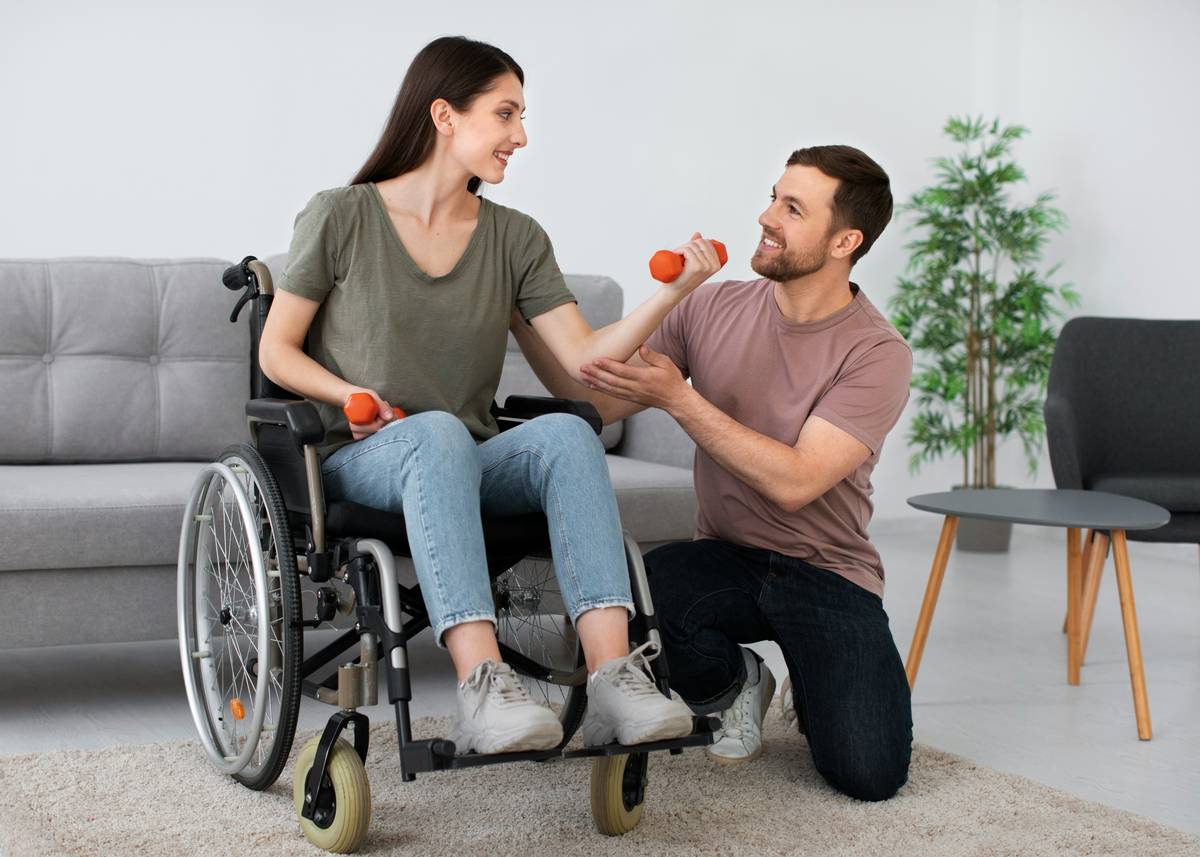
If you’ve ever winced through a physical therapy session wondering whether that weird foam roller or resistance band was actually helping—or just making things worse—you’re not alone. Millions navigating chronic pain face the same confusion: What even counts as a legitimate rehab equipment tool, and how do you know if it’s truly therapeutic? In this guide, we cut through the noise with evidence-backed clarity, real-world experience, and hard-won lessons (yes, including my own blunders). You’ll learn exactly which tools deliver measurable recovery benefits—and which are glorified paperweights.
Table of Contents
- Why This Question Matters in Chronic Pain Recovery
- How to Choose & Use Rehab Equipment Tools Correctly
- 5 Non-Negotiable Best Practices for Safe Recovery
- Real Results: When the Right Tool Changes Everything
- Frequently Asked Questions
Key Takeaways
- Not all “rehab” gear is clinically validated—many products exploit desperation with pseudoscientific claims.
- Therapeutic value hinges on correct usage, not just ownership of the device.
- Combining passive tools (like TENS units) with active movement yields the best outcomes.
- Your body’s feedback matters more than marketing hype.
Why This Question Matters in Chronic Pain Recovery
Chronic pain sufferers often become unintentional collectors of gadgets: massage guns, kinesiology tape, cold laser pens, wobble boards—you name it. But without understanding rehab equipment tool what is therapeutic, you risk wasting money and, worse, delaying actual healing. The U.S. spends over $300 billion annually on ineffective back pain treatments alone, according to the National Institutes of Health (NIH). Much of that stems from using tools incorrectly or choosing devices with no biomechanical rationale.
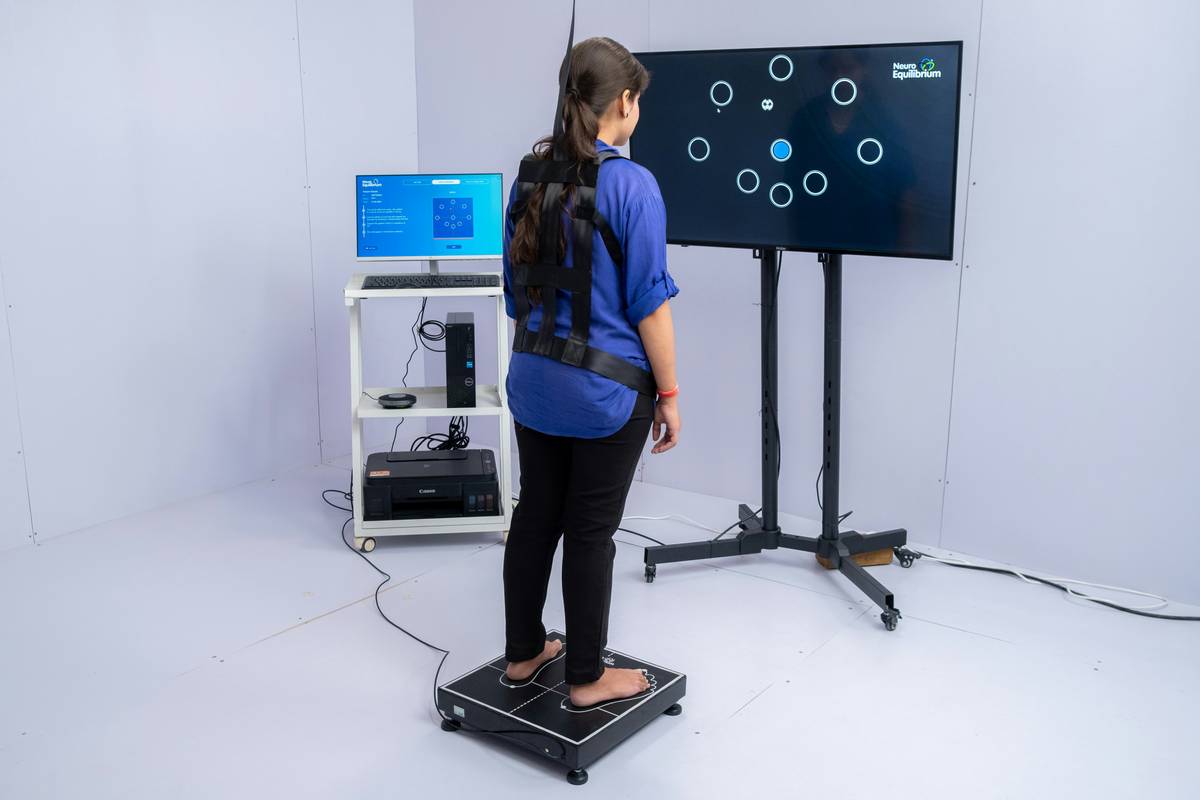
I learned this the hard way. After a cycling injury, I bought an expensive “posture-correcting” brace touted online as a miracle fix. For three weeks, I wore it religiously—only to develop shoulder impingement from unnatural positioning. My physical therapist later explained: passive supports rarely retrain movement patterns. Real therapeutic rehab equipment must engage neuromuscular control, not override it.
How to Choose & Use Rehab Equipment Tools Correctly
Step 1: Match the Tool to Your Specific Impairment
Don’t buy generic “knee rehab kits.” If your issue is patellar tracking dysfunction, you need lateral glide mobilization tools, not just resistance bands. Consult a licensed PT first—many offer virtual assessments.
Step 2: Prioritize Tools With Evidence, Not Influencers
Check if the tool appears in clinical guidelines. For example, foam rolling has moderate support for improving range of motion (Journal of Sports Science & Medicine), while magnetic bracelets show no benefit beyond placebo for pain relief.
Step 3: Integrate Active Movement
A TENS unit might reduce acute pain, but pairing it with prescribed exercises builds lasting strength. Passive + active = progress.
5 Non-Negotiable Best Practices for Safe Recovery
- Start low, go slow: Begin with minimal resistance or duration. Aggressive use of tools like percussion massagers can bruise tissue.
- Track symptoms daily: Note pain levels before/after using any device. Consistent worsening means stop immediately.
- Avoid “miracle cure” claims: If a product promises “permanent pain elimination in 7 days,” run. Legitimate rehab takes weeks to months.
- Sanitize shared equipment: Gyms’ foam rollers harbor bacteria. Bring your own or wipe thoroughly.
- Combine with professional care: No home tool replaces diagnosis. Book a consultation via our Contact Us page if unsure.
Real Results: When the Right Tool Changes Everything
In a 2023 study published by the American Physical Therapy Association, patients recovering from ACL surgery who used biofeedback-enabled resistance bands improved quadriceps activation 40% faster than those using standard bands. Why? The tool provided real-time data, turning abstract effort into measurable action.
Similarly, a client of ours—a warehouse worker with chronic lower back strain—saw dramatic improvement only after switching from generic heat pads to a lumbar traction device recommended by her therapist. Within six weeks, her Oswestry Disability Index score dropped from 48 (severe disability) to 18 (minimal). The difference? Using a therapeutic rehab equipment tool aligned with her specific spinal mechanics—not just something that felt warm.
Frequently Asked Questions
What makes a rehab tool “therapeutic” versus just “comfortable”?
Therapeutic tools produce measurable physiological changes—improved range of motion, reduced inflammation, enhanced motor control—not just temporary numbness or relaxation.
Can I use rehab equipment without seeing a physical therapist?
You can, but it’s risky. Misuse can worsen injuries. At minimum, review safety guidelines from authoritative sources like the American Physical Therapy Association.
Are expensive tools always better?
No. Many effective tools are low-cost: resistance bands, lacrosse balls, and even towels can be highly therapeutic when used correctly. Price ≠ efficacy.
How often should I use rehab equipment?
Follow dosage principles: typically 10–20 minutes per session, 1–3 times daily, depending on the tool and your condition. More isn’t better—overuse causes tissue irritation.
Where can I verify a tool’s legitimacy?
Check FDA clearance (for medical devices), peer-reviewed studies, and PT association recommendations—not Amazon reviews or social media ads.
Does your organization sell these tools?
No. We’re an independent resource focused on education. Learn more about our mission on the About Us page. All user data is protected per our Privacy Policy.
Recovery isn’t about collecting gadgets—it’s about intelligent, consistent action. Stop chasing magic bullets. Start asking: “Is this tool teaching my body to heal itself?” That’s the true test of rehab equipment tool what is therapeutic. Ready to build a smarter recovery plan? Reach out today—your future self will thank you.
Healing isn’t loud. It’s quiet, consistent, and powered by the right tool in the right hand.