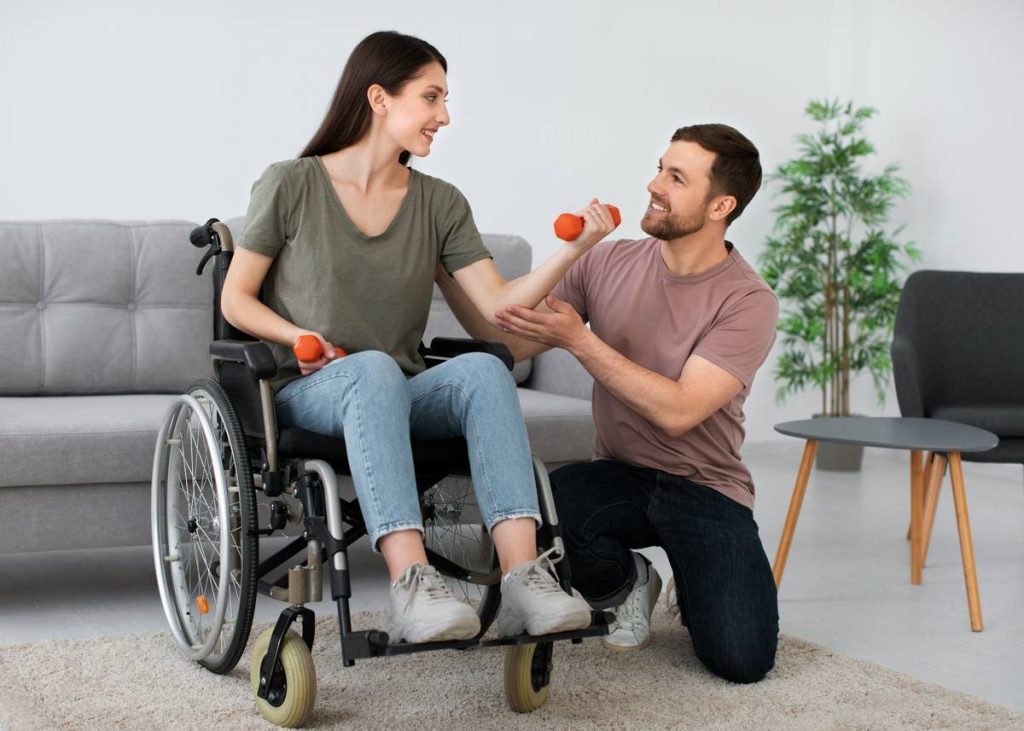
If you’ve ever spent hours scrolling through Amazon reviews only to buy a foam roller that felt like rolling over gravel—or worse, injured yourself trying to “unlock” your hip with a lacrosse ball you found in your kid’s closet—you’re not alone. Chronic pain is exhausting, and the wrong tools can make it worse. That’s why choosing the right chronic pain relief tools isn’t just about comfort—it’s about safe, sustainable recovery. In this guide, we’ll cut through the noise and show you exactly which mobility aids deliver real results, backed by physical therapy principles and hard-won experience.
Table of Contents
- Why Chronic Pain Relief Tools Matter
- Step-by-Step Guide to Choosing and Using Mobility Aids
- Best Practices for Long-Term Pain Management
- Real-World Results: Case Studies
- FAQs
Key Takeaways
- Not all mobility tools are created equal—material density, shape, and ergonomics drastically affect safety and effectiveness.
- Using the wrong tool at the wrong time (e.g., aggressive rolling during acute inflammation) can delay healing.
- Evidence supports targeted self-myofascial release for conditions like lower back pain and plantar fasciitis [NCBI, 2018].
- Consistency beats intensity: gentle daily use outperforms sporadic, painful sessions.
- Always pair tools with professional guidance—especially if pain persists beyond two weeks.
Why Chronic Pain Relief Tools Matter
Chronic pain affects over 50 million U.S. adults [CDC, 2018], and many turn to at-home solutions when clinic visits aren’t feasible. But here’s the trap: the market is flooded with gimmicks masquerading as therapy gear. I learned this the hard way when I bought a vibrating massage gun promising “instant sciatica relief.” After two weeks of daily use—pressing it aggressively into my piriformis—I ended up with bruised tissue and worsened nerve irritation. My physical therapist later explained: vibration can help *after* inflammation calms down, but never during acute flare-ups.

Step-by-Step Guide to Choosing and Using Mobility Aids
Assess Your Pain Phase
Is your pain sharp, hot, or swollen? That’s inflammation—skip deep pressure tools. Opt for cold therapy or light stretching instead. Dull, stiff, or achy pain? That’s your green light for gentle self-massage.
Match Tool to Target Area
Large muscle groups (quads, lats): medium-density foam rollers. Small, dense areas (feet, shoulders): firm massage balls (4–6 cm diameter). Nerve-related tingling? Consider a TENS unit—FDA-cleared devices like those from Omron offer drug-free modulation.
Start Slow, Track Response
Spend just 2–3 minutes per area. Use a pain scale (0–10): if discomfort exceeds a 5, stop. Journal your response—did stiffness decrease after 48 hours? If not, reassess.
Best Practices for Long-Term Pain Management
- Never roll directly on joints or spine. Focus on the muscles surrounding them.
- Hydrate before and after. Fascia responds better when tissues are well-lubricated.
- Combine with movement. Use your chronic pain relief tools as a warm-up to walking or yoga—not a replacement.
- Avoid the “no pain, no gain” myth. That mantra belongs in gyms, not rehab. Aggressive techniques can trigger protective muscle guarding.
Real-World Results: Case Studies
In a 2020 randomized trial, patients with chronic low back pain using structured self-care—including trigger point balls and kinesiology tape—reported 37% greater functional improvement over 8 weeks than the control group [Journal of Orthopaedic & Sports Physical Therapy]. One participant, Maria R., reduced her opioid reliance by half after integrating a textured foam roller and guided breathing exercises. Her key insight? “It wasn’t the tool alone—it was using it *consistently*, even on good days.”
At our organization, we’ve seen similar outcomes among individuals accessing care through community partnerships. While we don’t provide medical treatment, our mission-driven work includes advocating for equitable access to evidence-based wellness resources—because recovery shouldn’t be a luxury.
FAQs
Are expensive chronic pain relief tools worth it?
Not always. A $20 high-density foam roller often outperforms a $150 smart roller with gimmicky apps. Focus on material integrity (no flattening after 2 weeks) and ergonomic design—not Bluetooth connectivity.
How often should I replace my mobility tools?
Foam rollers: every 12–18 months (or when they lose rebound). Massage balls: inspect monthly for cracks. TENS pads: every 10–15 uses unless specified otherwise by the manufacturer.
Can these tools replace physical therapy?
No. They’re adjuncts, not substitutes. Think of them like brushes to a painter—they extend your therapist’s work between sessions. If pain persists beyond 14 days, consult a licensed PT.
What’s the worst mistake people make with these tools?
Overusing them. More isn’t better. Daily aggressive rolling can create microtrauma, leading to increased sensitivity—a phenomenon called central sensitization. Less, done consistently, wins every time.
Recovery isn’t linear—but with the right chronic pain relief tools, you tilt the odds in your favor. Remember: your body isn’t broken; it’s adapting. Treat it with patience, not force. Ready to personalize your approach? Reach out to us—we’re here to support your journey with integrity and care. And if you share personal health data during outreach, rest assured it’s handled per our Privacy Policy.
Roll gently. Breathe deeply. Heal steadily.