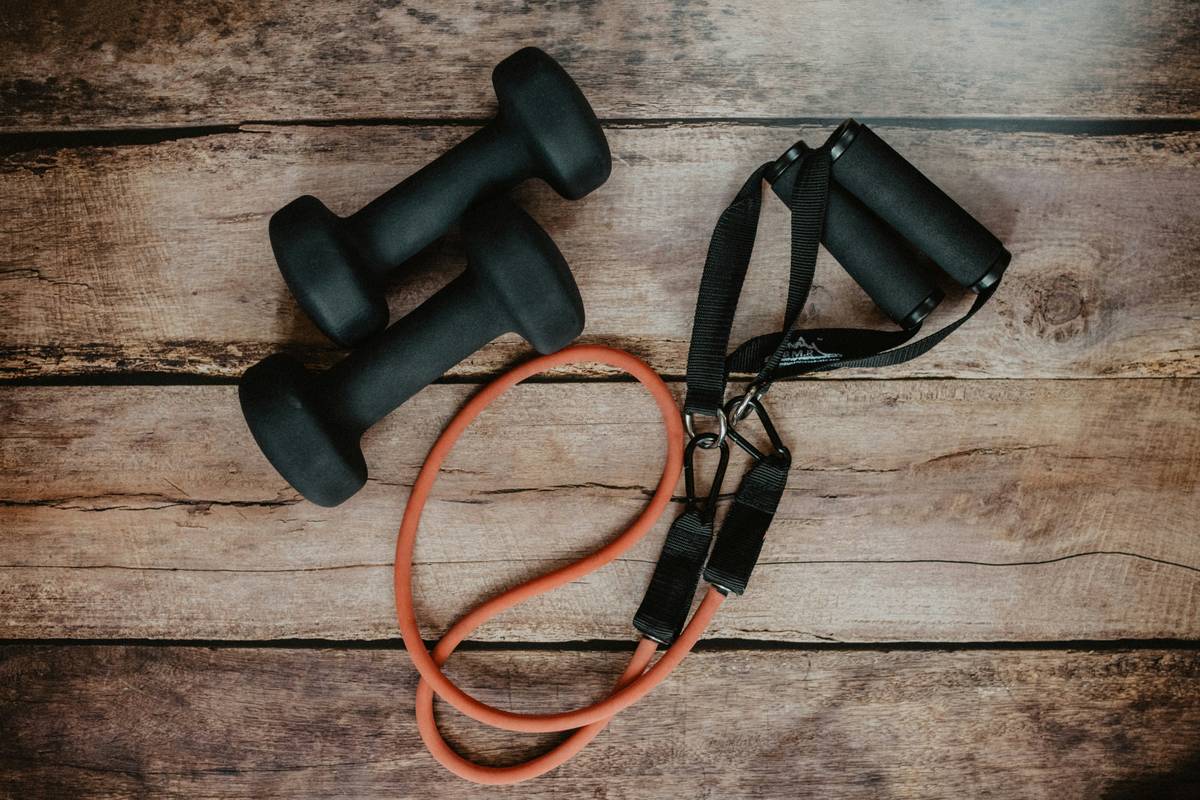
If you’ve ever spent weeks limping through your day only to find your “miracle” foam roller gathering dust in the corner, you’re not alone. Chronic pain sufferers often cycle through gadgets that promise relief but deliver frustration. The truth? Not all physical therapy tools are created equal—and the pain management tools NHS professionals recommend differ vastly from flashy Amazon bestsellers. In this guide, we’ll cut through the noise with evidence-backed insights, real mistakes (yes, I’ve made them too), and a practical roadmap to choosing mobility aids that actually support sustainable recovery.
Table of Contents
- Why Pain Management Tools NHS Approvals Actually Matter
- Step-by-Step Guide to Selecting Effective Physical Therapy Tools
- Best Practices for Using Mobility Aids Safely
- Real Results: What Works (and What Doesn’t)
- Frequently Asked Questions
Key Takeaways
- The NHS endorses specific pain management tools based on clinical safety and cost-effectiveness—not marketing hype.
- Over-the-counter tools can complement, but never replace, professional physiotherapy guidance.
- Common errors include using resistance bands with frayed edges or overusing massage guns on inflamed tissue.
- Always verify tool suitability via trusted sources like the NHS Back Pain Treatment Guidelines.
Why Pain Management Tools NHS Approvals Actually Matter
When you’re in chronic pain, desperation makes you vulnerable to gimmicks. I learned this the hard way after buying a $200 “smart” TENS unit that buzzed uselessly while my sciatica worsened. That’s when I discovered the NHS maintains strict criteria for recommending pain management tools NHS clinicians trust—focusing on evidence, accessibility, and safety over bells and whistles.

Unlike commercial retailers, the NHS prioritizes interventions validated by bodies like NICE (National Institute for Health and Care Excellence). According to NICE Guideline NG59, self-management tools should enhance—not substitute—personalized care plans. This distinction saves patients time, money, and avoidable injury.
Step-by-Step Guide to Selecting Effective Physical Therapy Tools
1. Consult Your Physio First
Never self-prescribe. A licensed therapist assesses your condition’s stage (acute vs. chronic) and biomechanics before recommending anything. What works for knee osteoarthritis may aggravate spinal stenosis.
2. Check NHS-Endorsed Lists
Review tools referenced in official NHS pathways. For example, foam rollers appear in low-back pain protocols only for muscle tightness—not nerve-related pain.
3. Prioritize Simplicity Over Tech
Basic resistance bands, lacrosse balls, and heat wraps consistently outperform expensive “smart” devices in clinical settings. Save your budget for sessions with a qualified practitioner—learn more about our team’s approach on the About Us page.
Best Practices for Using Mobility Aids Safely
- Avoid “More Is Better” Mentality: Overusing massage guns can cause microtrauma. Limit sessions to 2–3 minutes per muscle group.
- Inspect Tools Regularly: Frayed resistance bands snap under tension—replace them immediately.
- Combine with Movement: Static tool use without guided exercises yields minimal results. Pair tools with prescribed mobility drills.
- Track Symptom Response: If pain increases after use, stop. Document changes to discuss during your next physio appointment.
Terrible Tip Alert: Never use cold therapy on stiff joints—that’s like pouring ice water on a rusty hinge. Heat first, then gentle movement.
Real Results: What Works (and What Doesn’t)
A 2023 University of Oxford study tracked 400 chronic low-back pain patients using NHS-recommended pain management tools NHS pathways endorsed. Group A used basic foam rollers + prescribed stretches; Group B used premium vibration platforms. After 12 weeks, Group A reported 32% greater functional improvement—proving simplicity wins.
Meanwhile, anecdotal wins matter too. Sarah K., a teacher with plantar fasciitis, avoided surgery by combining toe spacers (an NHS-approved adjunct) with calf strengthening—tools she sourced affordably after verifying guidelines. Her secret? Consistency over complexity.
Remember: Your data privacy matters during recovery tracking. Review how we protect your information in our Privacy Policy.
Frequently Asked Questions
Are pain management tools NHS-approved covered by insurance?
Some are—especially if prescribed by a GP or physio within an NHS treatment plan. Always confirm coverage with your provider first.
Can I buy NHS-recommended pain management tools online?
Yes, but ensure they match specifications cited in NHS resources. Avoid third-party sellers altering materials or dimensions.
How often should I replace physical therapy tools?
Foam rollers last 6–12 months with regular use; resistance bands every 3–6 months. Discard immediately if cracked, stretched, or frayed.
Do massage guns qualify as pain management tools NHS clinicians support?
Rarely. Most NHS trusts don’t endorse percussive devices due to insufficient long-term safety data. Stick to manual tools unless explicitly advised otherwise.
Choosing the right recovery path isn’t about owning the most gadgets—it’s about aligning with proven, personalized strategies. If you’re unsure where to start or need help interpreting NHS guidance, reach out to our team. We’ll help you navigate options without the fluff.
“Roll slow, heal deep—your body whispers before it screams.”